


A small but mighty team has developed an entirely new approach to the way Queensland Ambulance Service (QAS) supports remote Aboriginal and Torres Strait Islander communities in Cape York and so far, its benefits have paid off in spades.
The Cape York Project was one of the Deputy Commissioner Rural and Remote Operations office’s initial strategic projects, focusing on service delivery to Queensland’s northernmost communities.
Deputy Commissioner Rural and Remote Operations Kari Arbouin said the Project was established to improve coverage across the Cape, integrating where possible with health clinics to provide greater access and safety across the numerous communities.
“The first step was engaging with communities; the Torres and Cape Hospital and Health Services (HHS) and the communities’ Aboriginal and Torres Strait Islander health organisations to better understand what the community wanted and needed,” Kari said.
“Two years later this project has come to fruition with Field Paramedics and ambulances on the ground across the Cape.
“This project is transitioning now to focus on how we do business in the Cape.”
QAS Torres and Cape District Executive Manager Krystal Smith said the Cape York Project represented a fundamental shift in emergency medical service delivery from the traditional top-down model to a community-informed and culturally responsive model.
Krystal said until recently, the team comprised Cape Project Officers Rosie McEachern and Claine Underwood, with the support of Deputy Commissioner North and Rural and Remote Kari Arbouin and Assistant Commissioner Brina Keating.
Krystal said the project was formed after Kari and Brina identified gaps in the remote Cape’s healthcare which QAS could potentially help to fill.
“The Cape York Project is unique, as its approach focuses on building community trust through listening,” said Krystal.
“In short, we recognised the opportunity to work alongside our communities – we needed to invest in time, to develop trust and redesign community informed and culturally sensitive models of care.
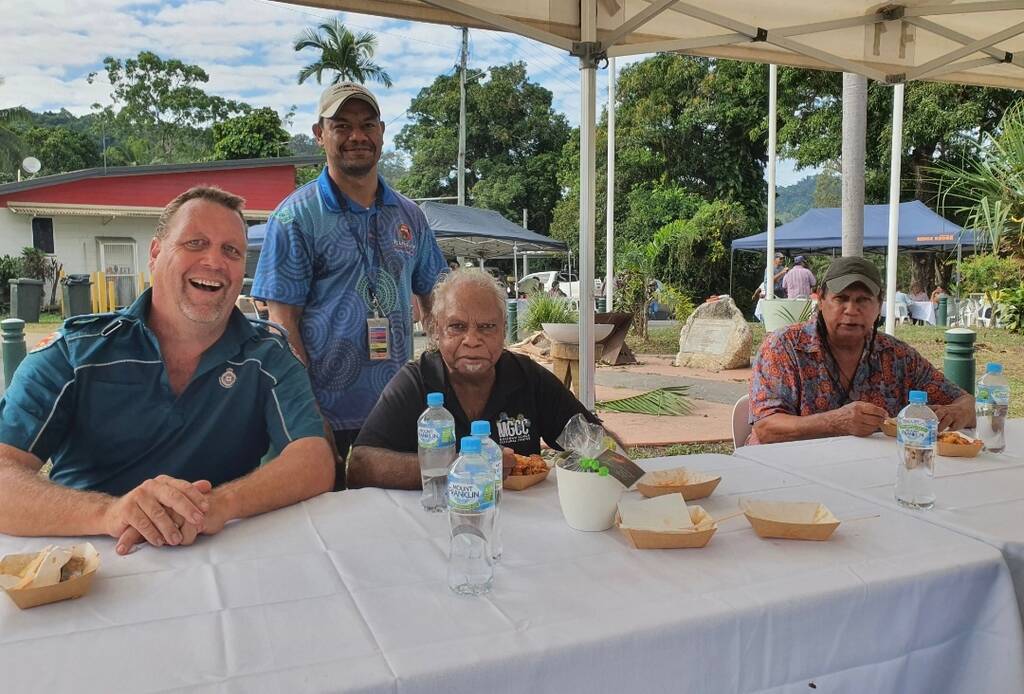
“We recognised we needed to spend quality time with these communities, not only with their health services and emergency responders, but also with their pastors, justice groups, traditional owners, and everyday community members, listening to them and learning from them because no community is the same as any other.
“This time spent has enabled us to gain a better understanding of each communities’ needs, to grow community trust in us, and ultimately enable us to “walk alongside” these communities to deliver a service which truly matches their needs.”
Krystal said while it required a large time investment at the start, this was essential to building community trust which was key to developing a successful and sustainable community engagement project.
Krystal highlighted the team’s central philosophy of “walking alongside” community.
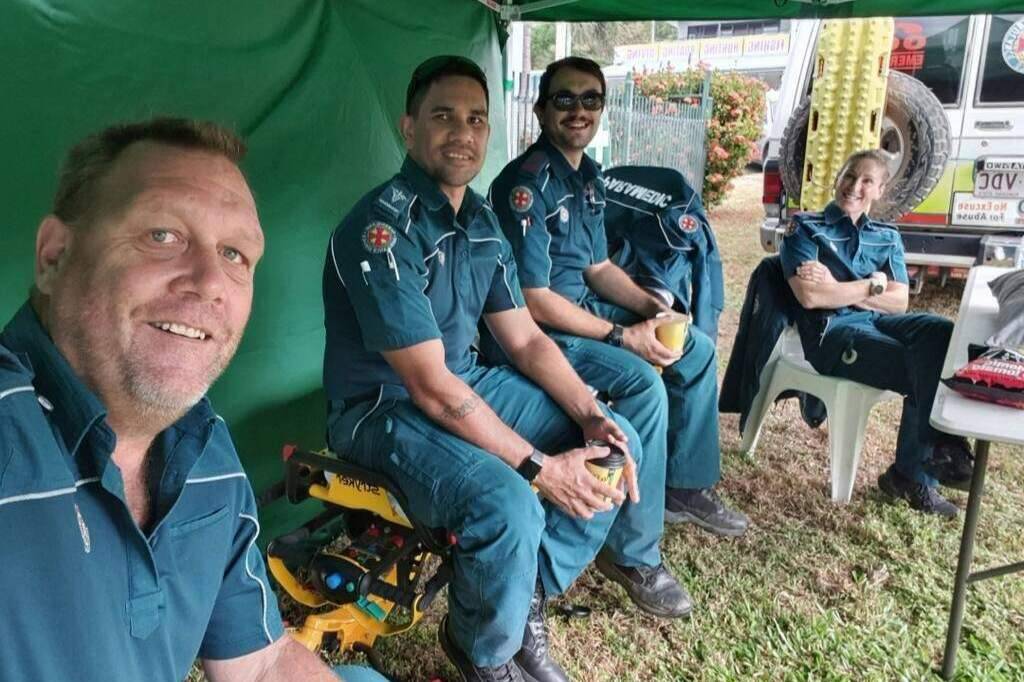
“So far, this approach has revealed these communities often want the fundamentals: first aid skills, cardiopulmonary resuscitation (CPR) confidence, youth engagement, and the safety and connection that comes with having a QAS presence – the teal uniform and the trust it represents – and this matters just as much as clinical capability,” Krystal said.
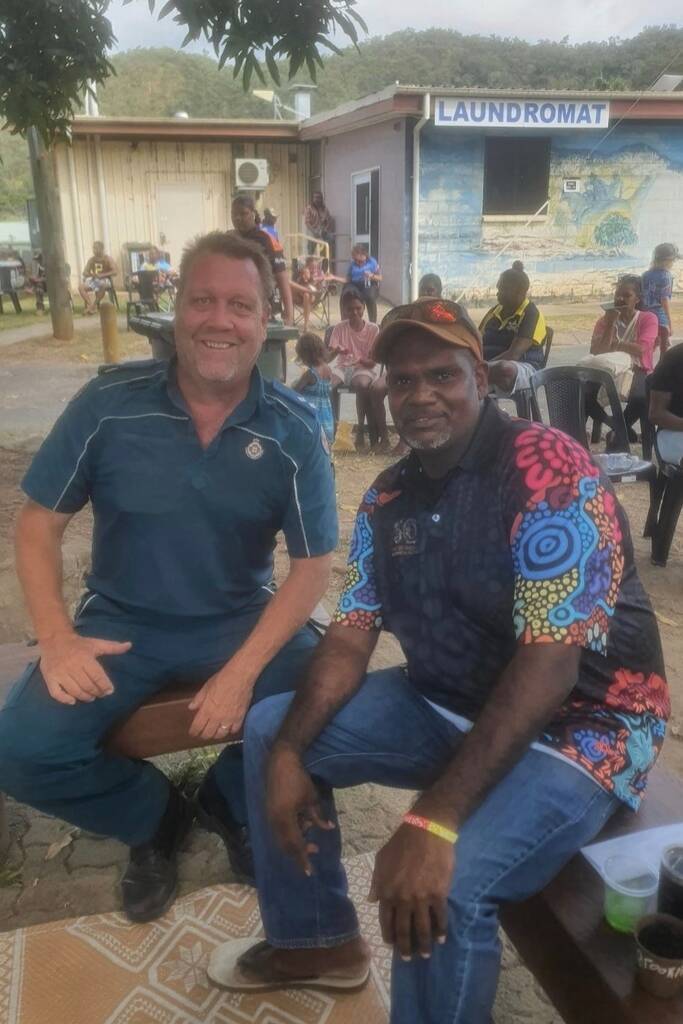
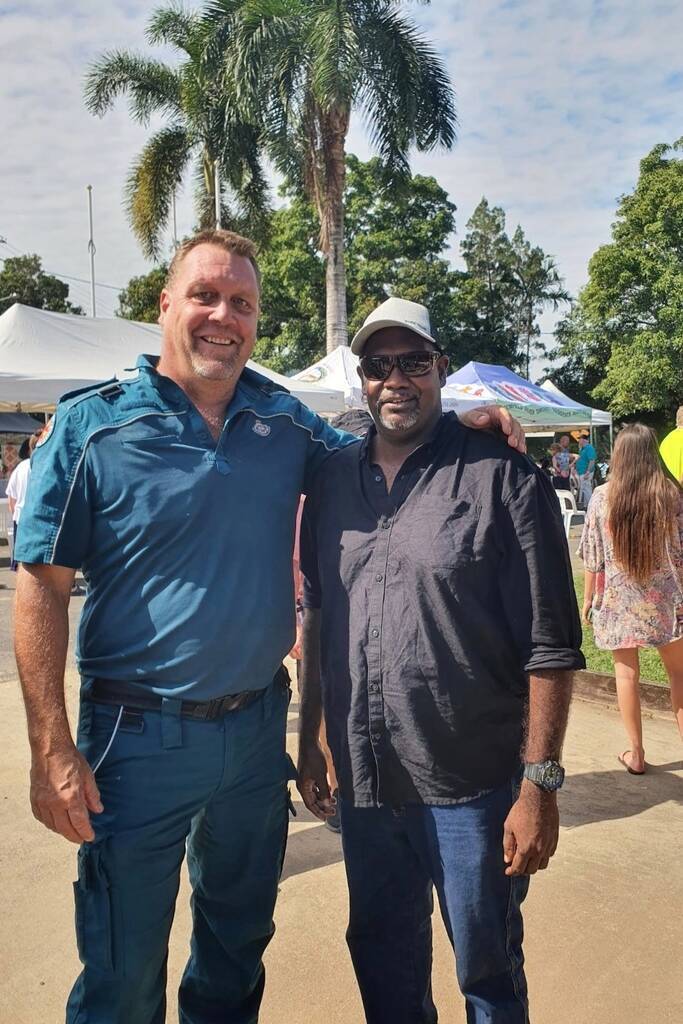
The team’s listening approach was reinforced by an experience Krystal had in Hopevale, where a seemingly routine tour around town with a community and cultural leader and Elder, Councillor Barry Bowen, included sites of significance which provided profound insight and learning for her.
“Understanding and respecting deep history and protocols and sharing vulnerability highlighted the importance of listening and the privilege to strengthen knowledge and understanding of unique community needs,” Krystal said.
"It was a total reality check.
"I saw a picturesque spot and said I'd love to bring my family here for a picnic, but then this Elder told me more about this spot.
“This beautiful place was known to the locals as "Suicide Creek” as it had become a place of tragic last resort for community members in crisis.
“This moment of shared vulnerability and my outsider’s lack of awareness highlighted the importance of listening and truly understanding local context rather than making assumptions about a community’s needs.
“It’s basically no different to responding to a call to an Aboriginal or Torres Strait Islander patient who’s living rough – we need to actively listen and hear their story without judgement about what's brought them to this point.”
“What sets this project apart is its commitment to genuine community consultation.”
Krystal said each community presented its own unique challenges and opportunities.
Hopevale, located just outside Cooktown, benefited from strong council leadership, existing ambulance connections through local cadets, and relatively good infrastructure.
In contrast, Aurukun faced the complexity of five different traditional owner groups, each with their own distinct cultural needs and leadership structures.
Krystal said the project would deliver five new Health-Based Ambulances (HBAs), and would recruit Officer In Charge Field Paramedics, as well as additional staff.
She said the five new HBAs would be stationed in Aurukun, Lockhart River, Kowanyama, Hopevale and Mapoon.
More HBAs would be delivered later to Wujal Wujal, Pormpuraaw and Laura as part of the project’s second phase.
Krystal said anyone operating HBAs would also have access to the same support provided to all QAS staff from QAS's Priority One response system.
In the meantime, the HBA rollout was already beginning to reveal some unexpected benefits.
“These new vehicles have extra seating in them which allows for families to travel with their loved ones when emergency transport is needed,” Krystal said.
"This might seem like a minor change to vehicle layout, but it’s had a big impact on its community.
“It's led to earlier medical intervention, with patients being more willing to leave community for treatment when family members can travel with them.”
New recruits play a guidance role
Two QAS paramedics have been appointed to the newly-created Officer in Charge Field Paramedic (OIC FP) roles.
Krystal said Emma Williams, a Wakka Wakka woman, Advanced Care Paramedic and Indigenous Liaison Officer, would be packing her bags to move from the Sunshine Coast to head to Bamaga and Christian Schonenberger who has been Cooktown’s Acting Officer n Charge for the last 18 months will stay on at Cooktown in this new position.
"These new positions are quite different to the previous field officer roles because it’s mandatory for these clinicians to maintain their current clinical credentials and registration.
“Emma and Christian represent the calibre of clinician this project is attracting and needs,” Krystal said.
“Bamaga will be Emma’s destination when she relocates soon to start working in the new field paramedic role.”
Emma has spent the last decade working on the Sunshine Coast and said she would miss her colleagues and the local community.
“I know with a strong local Indigenous network, supportive Executives and new Indigenous Paramedic Program (IPP) cadets soon to join the district, I know the QAS will continue my work to improve health equity for that local community,” Emma said.
“I am looking forward to joining the Cape and Torres District and working alongside passionate people to drive health equity at a community level.
“My partner James will also be working with a local Indigenous community-owned company in Bamaga, and we are dedicated to making the “sea change”.
“I am looking forward to walking alongside community, listening, learning and earning their trust, to help deliver what is needed to improve healthcare outcomes,” Emma said.
Christian said he and his family were already embedded in the Cooktown community.
Christian started with the QAS in 2011 at Mareeba Station and has worked in Cairns and Hinterland or Torres and Cape in various roles since, including OIC and Senior Operations Supervisor (SOS).
“I have been married to a local Kuku Yalanji lady for the past 23 years and we have raised three kids on country, so I have family ties to the Wujal-Wujal and Hopevale communities,” Christian said.
“I’m looking forward to starting in this newly created position as I know we can bring real change with dedication and engagement at a grass roots community level.
Krystal said rather than prescribing solutions, these new team members would spend extended time in their communities, meeting not just with health services and emergency responders, but with pastors, justice groups, traditional owners, and everyday community members.
"This is about embedding ourselves alongside community, going back to grassroots to find out what their needs are."
Krystal said as traditional metrics wouldn’t capture what success looked like for this project; the team would instead measure progress through community ownership and engagement, like for example, the local ranger groups delivering STOP-THE-BLEED training in local language.
Kari and Brina agreed with Krystal and said because of the unique nature of the project and its communities, “success” would be far more nuanced.
“For this project, markers of success for QAS could be someone at a healthcare clinic who has not only developed the skills and knowledge to use our vehicle, who has become confident with our protocols, and has set their sights on becoming a paramedic to help their community,” Kari said.
“As the Cape York Project continues to evolve, its success will be measured not just in response times or clinical outcomes, but in the strength of relationships built, the trust established, and the community ownership created.
“This project represents a bold exercise in co-design that could reshape how emergency services are delivered in remote Aboriginal and Torres Strait Islander communities across Australia and we’re really excited to see it building momentum.”