

Two new life-saving community engagement programs were launched in August, when more than 200 Queensland Ambulance Service (QAS) volunteers descended on Bundaberg for the Biennial Local Ambulance Committee (LAC) Conference.
Around 200 LAC volunteers and QAS staff gathered at Bundaberg's Multiplex Civic Centre from 22-24 August to discuss ideas, learnings, and plans, all with the aim of building greater resilience within our communities.
QAS Statewide Community Engagement Operational Supervisor Suzette Dakin said this year’s conference provided the perfect opportunity to launch two new programs ready for LAC volunteers and operational staff to deliver to their communities across Queensland.
“Our LACs are an invaluable resource to QAS because of their local community knowledge and reach, and the countless hours given to raising awareness of the life-saving actions anyone can use within their local communities,” Suzette said.
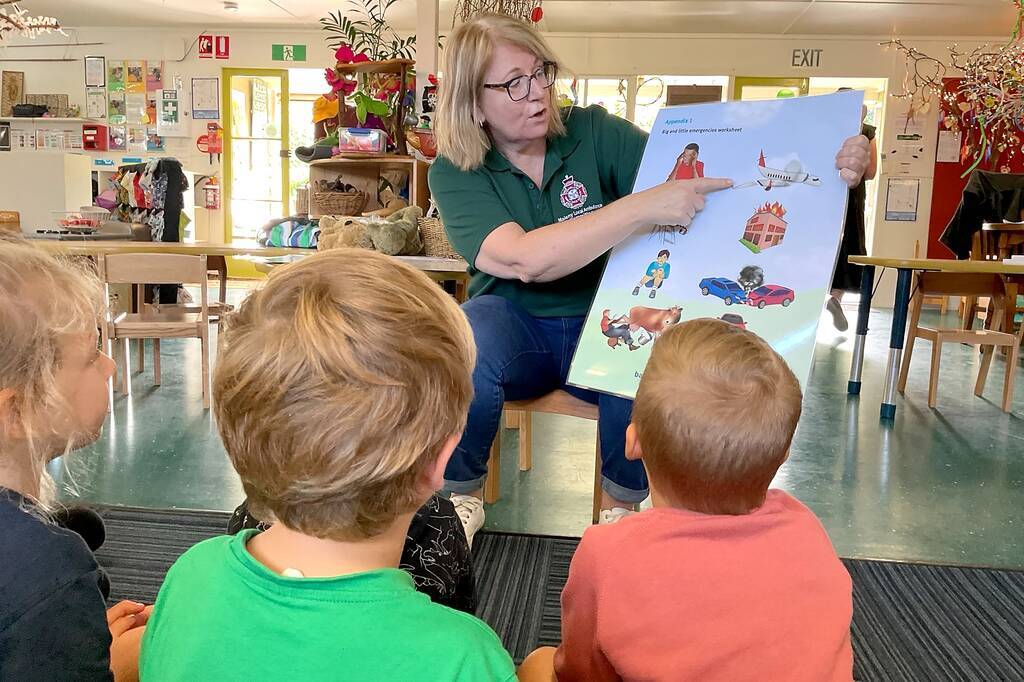
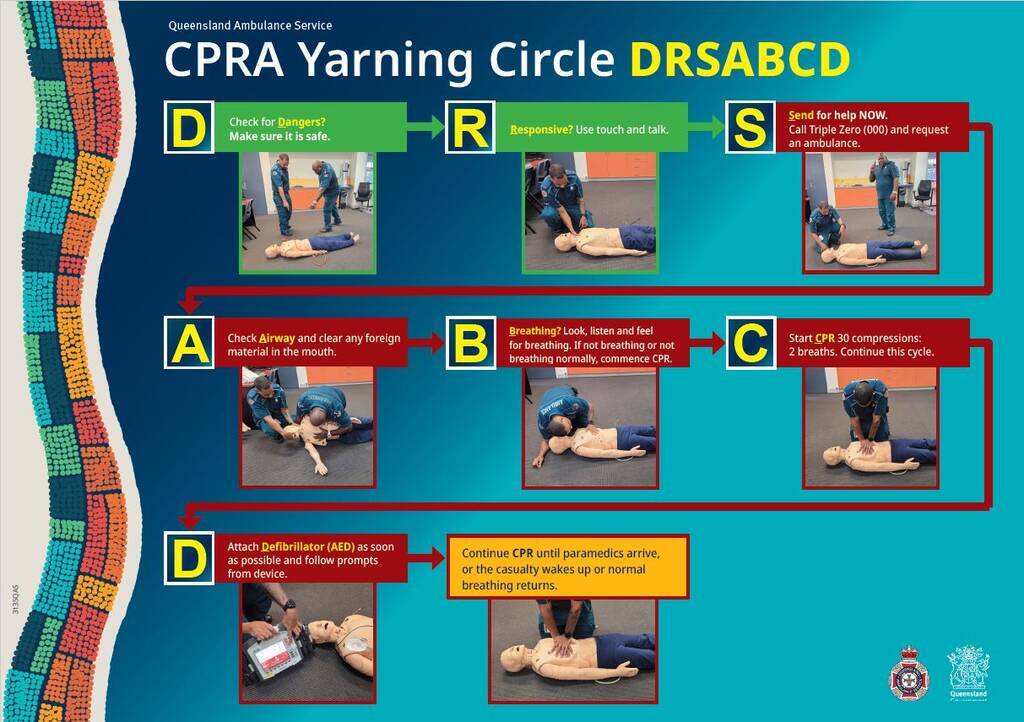
“This weekend we were thrilled to launch two new community engagement programs including new RESQ R000’s units specifically for kindergarten children and a Yarning Circle cardiopulmonary resuscitation (CPR) program which we’ve developed alongside our Aboriginal and Torres Strait Islander communities, which can also be delivered in traditional language.”
These new programs complement our suite of community engagement programs LACs deliver into communities including CPR awareness, first aid awareness, RESQ R000’s first aid program for primary school students, infant and child first aid awareness, Snakes Alive and STOP-THE-BLEED program.
Bundaberg LAC hosted this year’s conference and President Desley Cunnington said she was thrilled this biennial event had returned to the town after 20 years.
“As QAS has developed significantly over time from being an ambulance transport brigade in its early years to becoming a world leader in pre-hospital care, our volunteer support has also changed significantly," Desley said.
“And over time our LAC focus has also shifted, from the early days when we funded our stations’ vehicles, to still supporting our service and communities by providing community education and awareness programs which empower people of all ages to feel confident to step in and start CPR if they ever need to.
“We know bystander response is the first important step in the chain of survival for someone in cardiac arrest, or with a severe injury, so the more education we can provide to our communities, the more resilient they can become.
For more information about our Local Ambulance Committees click here and for more information about our LAC Community Education Programs, click here.